
Read the label before the amount
A large dollar figure attracts attention faster than the explanation beneath it. Before comparing it with your circumstances, identify the label the publisher uses. Does the page describe an agreed settlement, a jury verdict, an insurance payment or an advertising example? If the label is missing or unclear, that uncertainty is the first finding, not a detail to skip.
Keep the actual wording. A later summary can turn 'reported result' into 'money paid' without evidence for the change. If a publisher describes an outcome for several people, do not silently treat the total as one person's result. The useful reading task begins with what the number claims to represent. It should not begin with a calculation that assigns a portion of the figure to your accident.
Find the first identifiable account
A search result may lead to an article repeating another article, which itself repeats a firm's announcement. Follow that trail until you identify the earliest available account or underlying record. Record the publisher, title, publication date and link. If the original material is unavailable, say that rather than treating a chain of repetitions as several independent confirmations.
An original announcement is still an announcement. It may accurately report a result while giving limited information about the circumstances. A court document has its own purpose and scope. Keep those distinctions visible in your notes. Neither an impressive logo nor a large number of pages repeating a figure establishes the missing details. A short source record can make the difference between a useful example and a headline that cannot yet be evaluated.
Separate the amount from the circumstances
Read for the basic setting: location, date, the number of people involved and what kind of event was described. Then identify the facts the source actually provides about disputed issues and the result. Do not import details from another case with a similar headline. 'Rear-end accident' or 'pedestrian injury' is a broad label, not evidence that two situations are equivalent.
If a source leaves the accident date or jurisdiction unstated, retain that gap. An article written recently may describe a much older event. Its publication date does not become the date of the result. These distinctions are especially important when someone uses the story to make a claim about what a new accident is worth. A category alone cannot support that comparison.

A headline rarely describes every stage
A report of a verdict identifies an outcome at that stage. It should not automatically be rewritten as a final payment. A settlement announcement may not explain when or how payment occurred. If later developments matter to the story, look for a reliable account rather than assuming there were none.
Keep the question modest: what stage does the available source establish? You do not need to speculate about appeals, collections or agreement terms to acknowledge that the page does not discuss them. The generated mirror illustration beside this article shows no actual case. Its dramatic lights have no relationship to an award or recovery. Images can make a story feel concrete while leaving the underlying result just as unverified. Evaluate the words and records independently of the picture.
List the missing components instead of estimating them
A published total may not explain whether it combines different losses, claimants or sources of payment. It may omit fees, expenses or how the figure was allocated. Record those as unknown where the source does not provide them. Do not choose a standard percentage and subtract it to manufacture a supposedly comparable take-home amount.
This is also why a headline should not become a settlement calculator. Multiplying an unrelated figure by an assumed injury category produces a number without establishing a factual basis. You can use a story to ask better questions about what was included. You cannot repair missing source detail through arithmetic. A useful article explains the limits of a number, rather than giving the number a precision the original account never supplied.
Coverage is another layer of the story
The NJ Motor Vehicle Commission distinguishes PIP, liability and uninsured motorist coverage. Its overview explains broad functions of coverage; it does not establish which policies funded a reported case result. When the article does not identify the relevant coverage or policy terms, leave that issue unresolved.
Your own insurance questions should start with the actual documents and circumstances. Someone else's published total is not a description of your policy. If an insurer or lawyer explains a coverage issue, ask which document and provision they are referring to. Preserve that written explanation. Treating coverage as a separate layer helps prevent a common reading error: assuming that a large overall result means every related cost must have been paid through the same process.
Compare questions before comparing people
Two stories may raise similar questions even when their outcomes cannot reasonably be compared. What evidence established the event? What did the parties dispute? What source explains the result? Those are useful questions to carry into research or a consultation. 'Will I get the same amount?' is a different question that the story cannot answer.
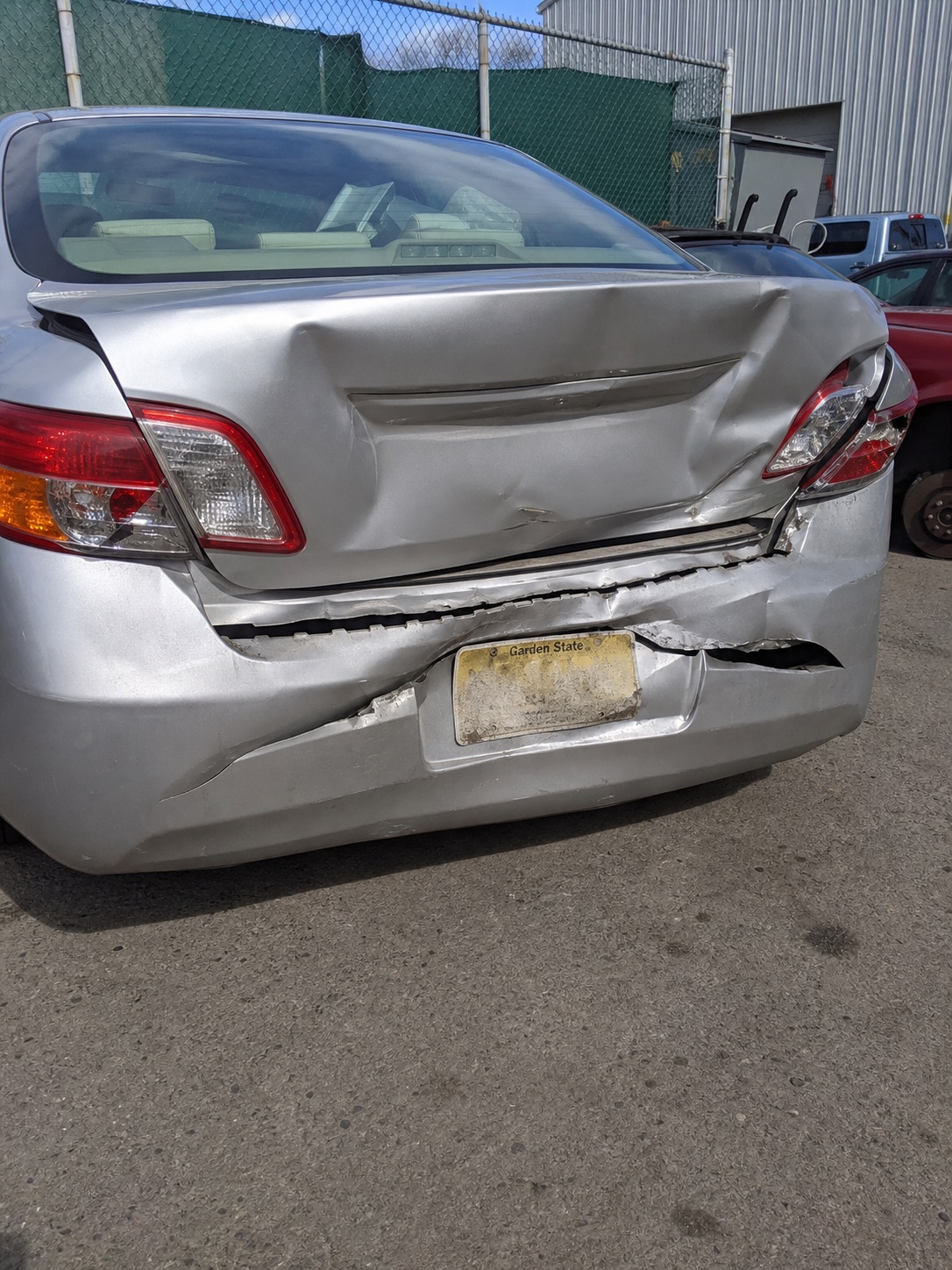
Avoid comparing health conditions from a few descriptive words. A page may provide only a broad injury label, while the actual records contain detail not available publicly. Do not infer a diagnosis from a bumper image or decide that a less damaged vehicle means a smaller injury. Our vehicle illustration is not a real valuation example. It supports the distinction between visible vehicle damage and information needed for a specific review.
Build a short source note
A practical note can contain five items: the claimed outcome type, the amount as reported, the original available source, the date and the important unknowns. Keep quotation and paraphrase distinct. If an account changes, preserve the earlier source note and explain the update rather than leaving a figure without its history.
When you share the example with a professional, include the source and the question it raised. There is no benefit in removing every uncertainty to make the story easier to present. An incomplete but accurate note gives the next reader something to assess. A smooth summary that silently fills gaps gives them assumptions to undo. The purpose is to understand a reported result, not to turn a headline into a promised benchmark.
A case story can be useful without becoming a prediction
This journal does not present an unverified dollar figure as a result or offer a compensation estimate based on another person's story. A sourced case account can explain a process, an evidence question or a distinction in terminology. Those uses remain valuable when the amount cannot be applied to another accident.
For your situation, gather your own records and seek advice from a qualified professional about the issues that apply. Health questions require appropriate medical care. An online inquiry does not establish representation or promise recovery. Read the headline with curiosity, then read the source with care. The strongest takeaway may be a missing question to ask, rather than a number to expect.