
The card answers an identification question
An insurance identification card is useful after an accident because it helps identify the insurer, insured and vehicle. The NJ Motor Vehicle Commission describes required card information such as the policy number and effective dates. Those fields can connect a conversation to a policy. They do not reproduce all the policy terms.
Start by checking what document you actually hold. An image of a card, a renewal message and a full policy file are different items. Label them rather than putting every insurance-related screenshot in one folder called coverage. If the card is difficult to read, preserve the original and ask for a clearer copy through an appropriate channel. Do not guess a digit simply because the number must fit a form field.
Match the document to the accident date
A current account screen can be convenient while still failing to show the version that applied when the accident occurred. Keep the accident date next to the document's effective dates. If they do not align or the version is unclear, make that a question for the insurer rather than choosing the document that looks most recent.
A renewal or change can generate another set of papers. Preserve the versions you have with their labels. Do not conclude that a coverage changed merely because the formatting differs, and do not assume identical formatting means identical terms. Ask the insurer to identify the applicable documents. The aim is to make the date question explicit before interpreting the contents, rather than reading today's summary as the whole history of the policy.
Find the documents behind the summary
For a fuller discussion, ask for the declarations page, policy wording and applicable additional documents. A declarations page can help identify selected coverages, while the surrounding policy materials explain the terms that need review. Ask which documents together form the version relevant to your circumstances.
Do not treat a missing attachment as evidence that a condition does not exist. If the file appears incomplete, request the missing material. Keep the reply with the request. A general website can explain terminology but cannot supply the exact terms of your policy. The paperwork image in this article uses blank cards and sheets; it is not a specimen insurance policy. It helps illustrate why several documents can sit together while having different jobs.

Use the coverage name as the beginning of a question
The NJ MVC distinguishes PIP, liability and uninsured motorist coverage. In its broad overview, PIP concerns medical expenses for covered people after an automobile accident, and the other categories serve different functions. Those descriptions help you ask which coverage a discussion concerns. They do not answer whether a particular expense is covered under your documents.
Bring the coverage label and the actual question together: which section is being considered for this request, and what information is needed? If a representative switches between vehicle damage and medical paperwork, ask them to identify the subject. Do not allow the word insurance to become one undifferentiated promise of payment. Specific terminology supports a clearer conversation without replacing policy-specific review.
Read an explanation beside the document it cites
When you receive a written coverage explanation, retain it with the relevant document or section reference. If the explanation does not identify its basis, ask for clarification. A statement such as 'this is outside the policy' raises the next question: which term and which part of the request are being discussed?
Preserve the wording accurately instead of rewriting it into an answer about every related issue. One response may concern one item. If later correspondence appears inconsistent, compare the question, policy version and facts supplied in each exchange before concluding that the answers directly conflict. A careful comparison can identify what requires clarification. It does not require you to interpret a provision as though you were the professional handling the matter.
Separate the card from a claim reference
The policy number on a card and a claim identifier can have different roles. Label each number by the organization and document that supplied it. An insurer may use a claim reference for correspondence about an event, while the card identifies a policy. A repair facility or another organization can supply additional numbers of its own.
Keep a small private index with the number's source and purpose. This prevents you from pasting the right-looking reference into the wrong request. If a form is unclear, ask which identifier it requires instead of making the numbers match by assumption. Do not include the full set of identifiers in a public post. The index should help appropriate recipients find the record without exposing details to everyone who can view a link.
Share documents according to the task
An initial inquiry may require only basic facts, while a later coverage review may need more detailed papers. Ask who receives the material and what is needed for the current task. A full policy file can contain personal information unrelated to a particular question. Use a verified destination and retain what you sent.
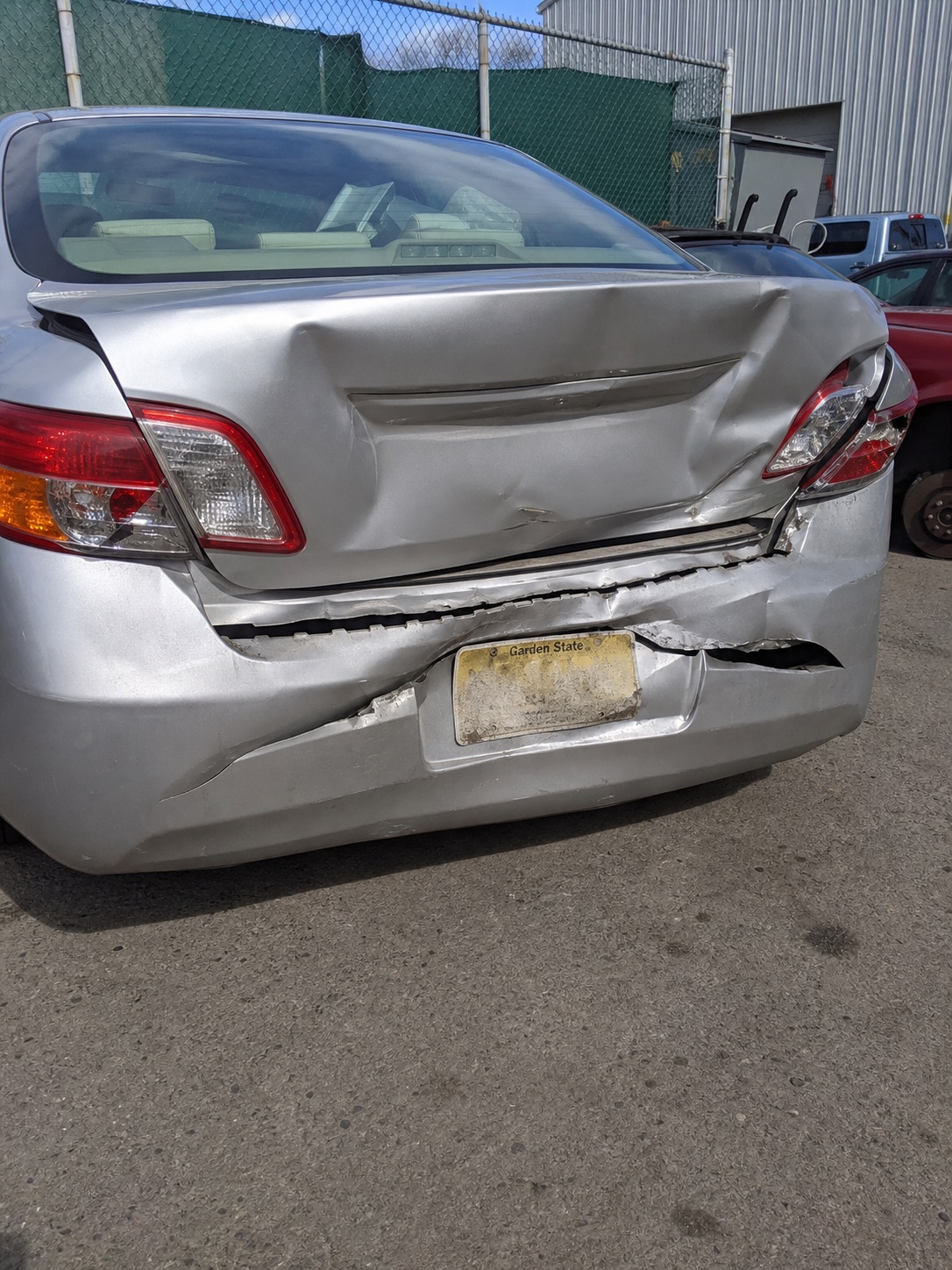
If you create a limited or redacted copy, preserve the original privately and describe the copy appropriately. Do not remove information from the only version and then forget what changed. Avoid open sharing links for sensitive files. A generated bumper illustration does not establish what an insurer must pay, just as a generated card cannot establish actual coverage. The real review must use the documents and facts that apply.
Prepare a compact document checklist
For a focused conversation, list the accident date, available card version, applicable policy papers, relevant written explanation and unresolved question. Mark missing items as missing. A checklist can make the conversation useful without demanding that you solve every provision before asking for help.
At the end, confirm which document still needs to be found and who is responsible for the next action. Save an important response rather than relying entirely on memory. If the recipient asks for a version you do not possess, explain that and request the appropriate way to obtain it. The checklist's purpose is continuity: the next discussion should be able to start from the same materials, rather than another search through unlabeled screenshots.
Identification and interpretation remain different tasks
A card can establish useful identifying information without answering every coverage question. Keeping that distinction prevents both overconfidence and unnecessary confusion. The card is worth saving, and the fuller documents are worth locating when the conversation requires them. Neither should be asked to do the other's job.
This article does not determine your coverage, benefits or claim value. Appropriate review depends on the documents and circumstances. Consult the relevant insurer or qualified professional for specific explanations, and a qualified lawyer for legal questions. Health concerns require appropriate medical care. An online inquiry does not guarantee a result. Your practical starting point is to identify the document, match its date and ask what additional material the actual question requires.