Build one index before the trip records scatter
A collision during a visit can leave the paperwork in several places: a report reference on a phone, a towing receipt in a bag and an insurer's email arriving after you are home. The first useful step is a single private index. It does not need every attachment. It needs a label showing where each important item is and what question it concerns.
Start with the accident date, the location as you understand it and your role in the trip. List the records already available and distinguish those from items you plan to request. An index prevents 'we have the information somewhere' from becoming weeks of repeated searching. If another passenger keeps part of the file, note that arrangement without copying private records into every travel chat.
Keep the visit address separate from the accident location
An accommodation address may be the easiest local address to remember. It is not necessarily where the collision occurred, where the vehicle was stored or where the responding agency is based. Put those locations in separate entries and explain uncertainty instead of assuming they must match.
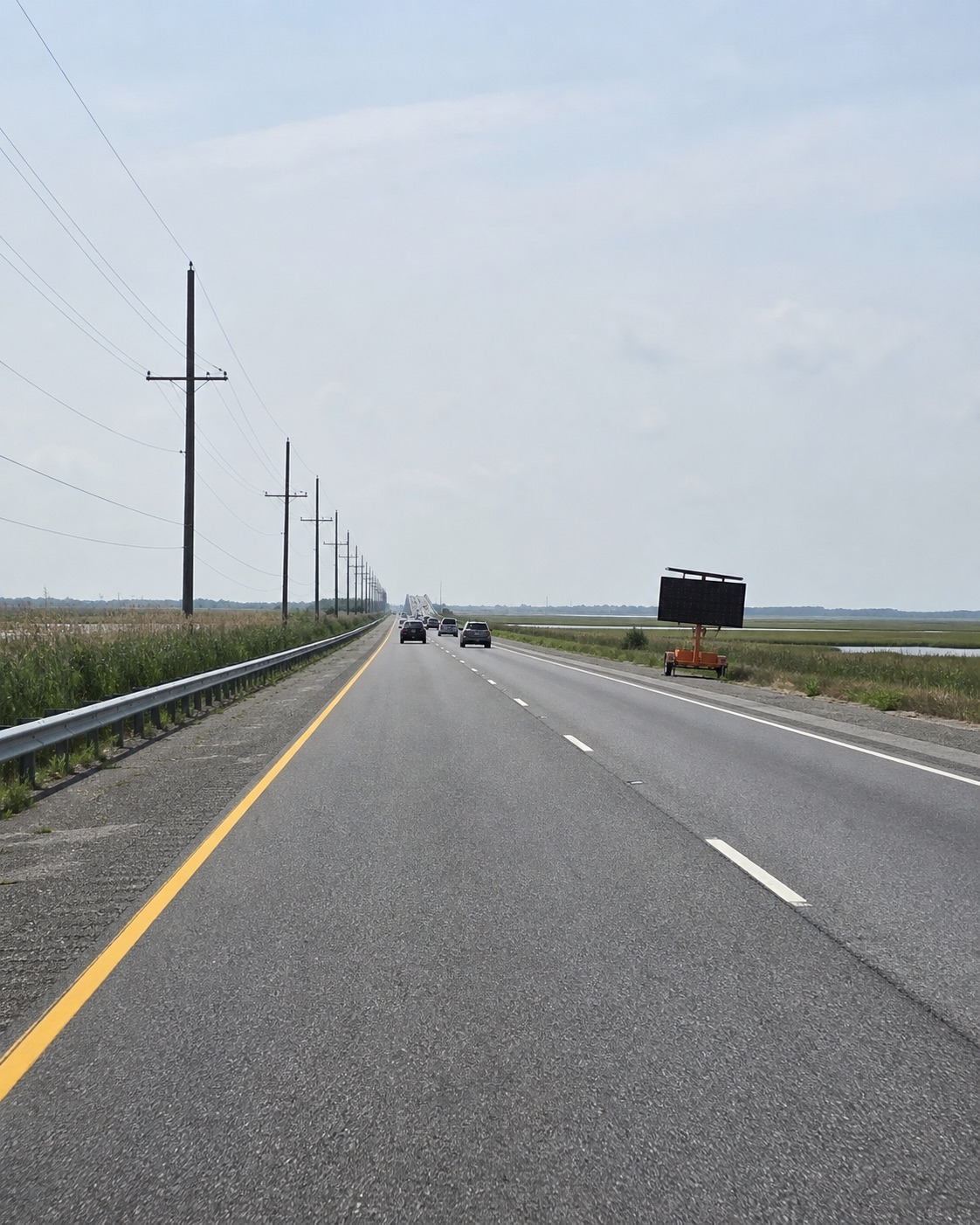
NJDOT's geographic material identifies the Route 72 Manahawkin bridge corridor in Ocean County, with Stafford on the mainland side and Ship Bottom on the island side. That background can help orient your notes. It does not establish which agency handled your accident or which policy applies. 'Visiting LBI' and 'collision on the mainland approach' can both be true. The generated marshland illustration in this article represents a setting, not the verified location of an event or a current road arrangement.
Record which agency or organization supplied each item
A report reference is more useful when it includes the agency that issued it. If you have a card or written instruction from the scene, retain it securely. If you remember a uniform or vehicle but do not know the agency, keep that uncertainty visible. Do not choose an agency solely because its office is nearest to the place you stayed.
When requesting a record, ask how the incident should be identified and which contact or process is appropriate. Keep the response with the request. A number given by an insurer, tow operator or repair facility may not be a police report number. Label the numbers by source. This simple distinction helps you avoid presenting a legitimate reference to the wrong organization and assuming that an unsuccessful search means no record exists.

Follow the vehicle's paperwork separately from its route
The vehicle may be moved, stored, inspected or repaired after the accident. Each step can generate an address and a document. Make a short vehicle record: who moved it, where it went and which paper corresponds to that step. Describe only what you know; do not turn a storage location into a reconstruction of the accident.
A towing receipt may help explain a service and destination. A repair estimate addresses proposed work. Neither automatically establishes all the movements before impact. Keep photographs linked to the stage when they were taken. A picture at a facility is different from a scene photograph. If you have questions about authorization, costs or coverage, take the actual documents to the relevant company or a qualified adviser rather than assuming that the trip's interruption makes every expense recoverable.
A visitor's policy questions need actual documents
Where you live, where the accident happened and which vehicle you occupied are separate facts. None should be used alone to announce an insurance answer. Gather the information you have about the vehicle and policy, and tell the representative your role: driver, passenger or another road user. If the vehicle was borrowed or rented, identify that circumstance accurately.
Ask which policy and coverage the representative is reviewing and what additional documents are needed. Keep their explanation with the relevant claim identifier. This article does not establish coverage for visitors or cross-state accidents. An insurance card can help identify an insurer but may not contain the full terms needed for a coverage discussion. Do not replace those terms with a general statement found in a travel forum or an article about someone else's accident.
Filter the holiday archive before sharing anything
Trip photographs, booking messages and payment records can contain more private information than an accident reviewer needs. Separate a relevant item from the surrounding archive. Before sending it, ask what the recipient needs and confirm a suitable channel. A document's connection to the same holiday does not make every detail relevant to a claim.
If you make a redacted copy for a limited purpose, retain the original privately and describe the copy accurately. Do not modify the only version of a record. Avoid sharing open links to folders containing passenger information or unrelated medical and financial material. Our paperwork illustration uses blank cards and paper; it is not a real document set. Your actual records deserve more care than an image selected to explain the filing task.

After you leave, track requests as a separate list
Being away from the area can make follow-up feel disorganized. Use a request list with the recipient, purpose, date sent and response. A short entry can show that you asked about a report but have not received it, or that you sent an estimate and are waiting for confirmation. Keep a missing response separate from a refused request.
If your address or preferred contact method changes during the trip, explain the current contact information to the organizations handling your file. Use their verified channels rather than replying to an unfamiliar text because it mentions the accident. Maintain a record of important written instructions. Repeating the same inquiry to several people without identifying earlier requests can create confusion instead of progress.
Match statements to the person who observed them
A visitor group can quickly develop a shared version of the event. One person recalls the road, another heard a sound and another saw the vehicles after contact. Keep those observations attributed. A group message summarizing everyone's memories is not the same as each person's independent recollection.
Record your own account before using someone else's description to fill a gap. If another account helps identify a place, note that source. Avoid pressuring a passenger to agree with details they did not see. Generated images, including the damaged mirror used here, do not supply evidence for any real incident. The value of the record is that a later reviewer can understand which details came from observation, which came from documents and which remain uncertain.
Use the index to prepare the next conversation
Before a claim call or legal consultation, select the few items connected to the question you want answered. You may need to identify a report, clarify a coverage request or explain why a storage address differs from the accident location. A useful index makes those distinctions available without requiring you to retell the whole holiday.
The fact that the accident interrupted a visit does not establish responsibility or a compensation amount. An inquiry also does not guarantee representation. Seek appropriate care for health concerns and professional advice for questions about legal rights. For the paperwork, aim for a file that another person can follow: sources labeled, locations separated, requests recorded and private details protected. That remains useful after the journey home, even when some records are still missing.