A destination name is a useful beginning
A trip to a Paramus store can produce several kinds of location record: a shopping list, a message about where to meet, a photograph of a roadway and a note about where the car stopped. The same business name may appear in all of them. That repetition makes the location feel familiar, while leaving the relationship between the records unexplained.
Start a small location table with the reference, its source and the event it describes. A store name can belong to the intended destination, a meeting point or a place where people regrouped afterward. Keeping its role clear helps someone understand the trip without assuming it was the collision location. Emergency needs come first: seek help when needed, follow responders’ directions and avoid returning to a road or crossing traffic to collect a missing view.
Place Routes 4 and 17 on the right kind of map
NJDOT’s diagrams place Routes 4 and 17 in Paramus Borough, Bergen County, and show their connection. The inventories consulted here are dated May 2017. They provide stable geographic background for understanding why a trip may mention both roads. They do not record the route a particular vehicle took or the traffic arrangement on the collision date.
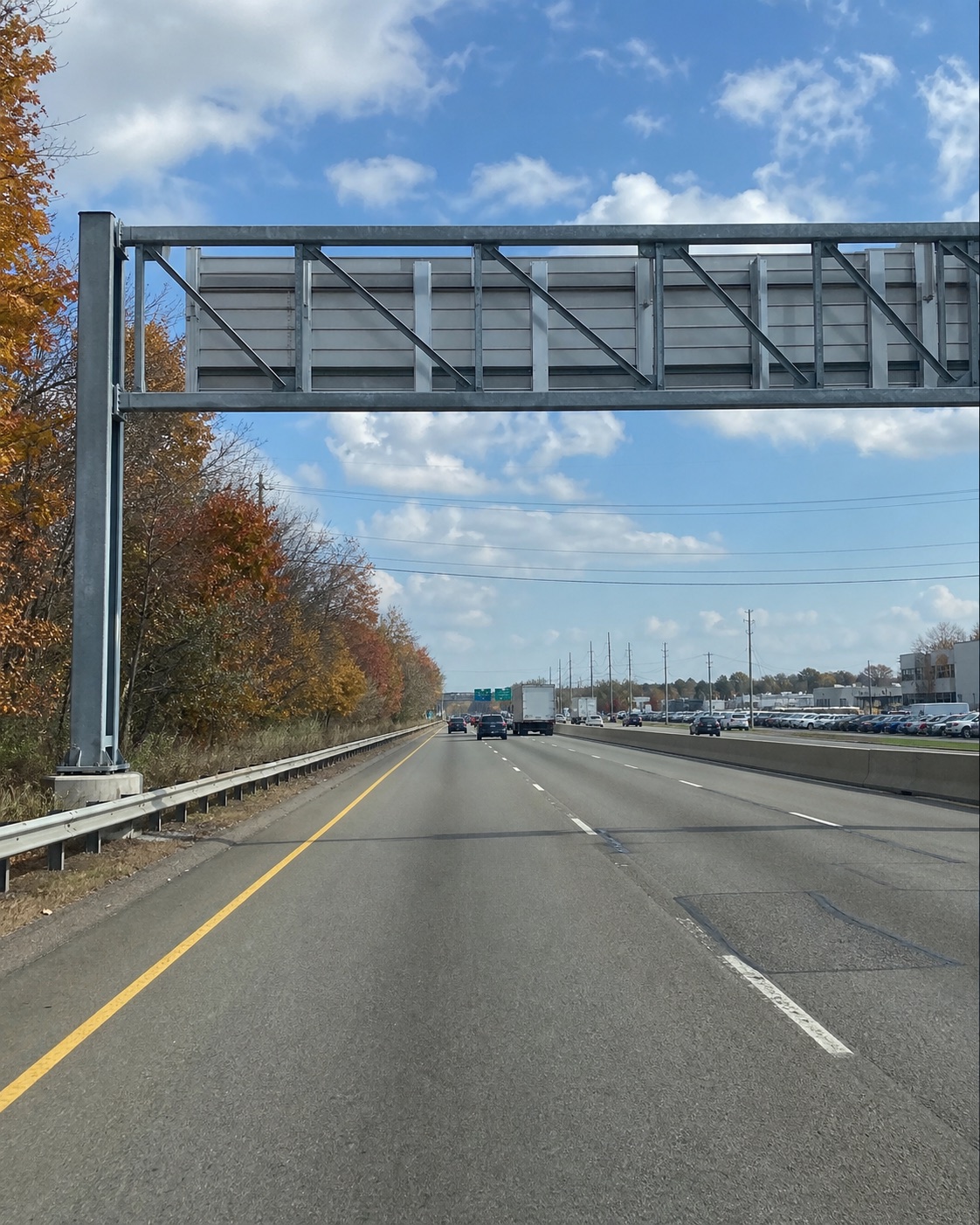
A useful note can identify which road is confirmed by a sign, image or recollection, and which road appears only in the planned directions. Save the page you consulted and say what you used it to check. If you followed a later map search, preserve that as a later search. An illustration of the Route 17 retail corridor provides visual context; it does not identify a particular interchange, entrance or storefront as the scene of your event.
The store, the entrance and the meeting point need separate entries
A property can be approached in more than one way, and a broad destination reference may leave the specific entrance uncertain. Describe the point you actually remember before giving it a precise name. If a passenger remembers a meeting place while the driver remembers an approach, keep both references with their sources. You can investigate whether they concern the same point afterward.
For a sketch, label the road reference, remembered movement and later stopping place. Identify it as a drawing from recollection rather than a measured plan. If someone adds an entrance name, record where that name came from. A confirmed address may identify the property while leaving the exact contact location unresolved. That distinction gives the next reviewer a manageable question instead of a diagram that quietly presents every point as settled.
A receipt can explain a stop without recording the road movement
A receipt may help explain that a purchase or stop formed part of the day. Check which business, date and event it records. It does not automatically establish where the vehicle was at a different moment. Preserve the full receipt and the context in which you obtained it, particularly if another person made the purchase or sent you a copy.
A message about meeting after the collision has a similar limit. It can show a later arrangement without identifying the earlier roadway movement. Place records of planned stops, completed stops and arrangements made afterward in their own order. You can still use all of them in the trip history. The point is to let their actual purpose explain the sequence rather than making every document with a familiar business name stand for the collision scene.
Read a retail-corridor image as a view from one place
A photograph can include signs, buildings and vehicles. Ask who made it, when it was made and where the photographer was positioned. A roadway view may help check a remembered reference while showing only part of the surroundings. If the cars had already moved, say so. A later image of the property needs its own date and purpose.
Keep original files when available, with a backup and the message through which you received a copy. If you mark an image to highlight an entrance, preserve the unmarked version. A highlighted shape is an explanation added later. For video, retain the complete available sequence you can legitimately save. Identify what is outside the camera’s view. A recognisable retail setting can be informative while still leaving the movement, timing or exact place of contact open.

A camera request belongs in the folder as a request
If a business might have footage, note the contact, date range and location you asked about. Record the reply. A promise to check a camera is one event; receiving a file is another. Keep those stages separate so the collection does not list footage as available before its existence and relevance are established.
When a recording arrives, save the original and any explanation of its source or clock. A camera covering a storefront may have a limited view of an approach. Identify the part it shows before trying to connect it with another camera or recollection. If getting or preserving material requires a formal process, seek individual guidance. A clear request history is useful even when no file is obtained, because it shows what was asked, what response was given and which information remains unavailable.
Keep the people behind the observations visible
A driver, passenger, shopper or person outside a business can have a different view. Preserve each person’s own description of what they saw, heard or felt. Someone may have observed a vehicle after it stopped without witnessing contact. Label that observation at its actual point in the sequence instead of extending it backward.
Keep contact details privately. If a person later supplies more information, date the addition and retain the earlier note. A summary can identify observations with simple labels such as “driver’s recollection” or “photo sent by passenger.” Those labels help a reader follow the account without publishing personal information. When sharing a collection for review, confirm the recipient and the files requested. Keep a copy of the material provided so later questions can be related to the same version.

Questions for an incomplete Paramus location record
Which road is supported by an original reference, and which appears only in planned directions?
Does the business name identify the destination, the stopping place or the contact location?
Who supplied the entrance description, and how did they identify it?
Was the retail-corridor photo made at the relevant time, or collected later as a reference?
Does a receipt describe a purchase by an occupant, or a different person’s stop?
Has camera footage arrived, or is the folder still recording a request?
Which person observed the movement, and who only saw the cars afterward? Leave these questions beside the relevant files. A clear unresolved question is easier to follow than an apparent answer formed by merging different parts of the trip.
Write a short location guide to your own folder
Prepare a page that connects road references, the intended destination, the recalled approach and the final meeting or stopping point. Beside each, identify the source and whether the reference was observed then or checked later. Include requests for missing material, with their responses. Keep receipts, images and personal recollections in a form that allows the underlying record to be read without your annotations.
Choose one gap for the next step, such as identifying an entrance or confirming a photograph’s source. Preserve the reply and the earlier version of the note. Injuries Cases Journal offers general editorial information, not a finding about a real collision. It does not determine responsibility, give legal or medical advice or guarantee compensation. A dispute or document affecting rights requires individual review with the complete records and their remaining limits.