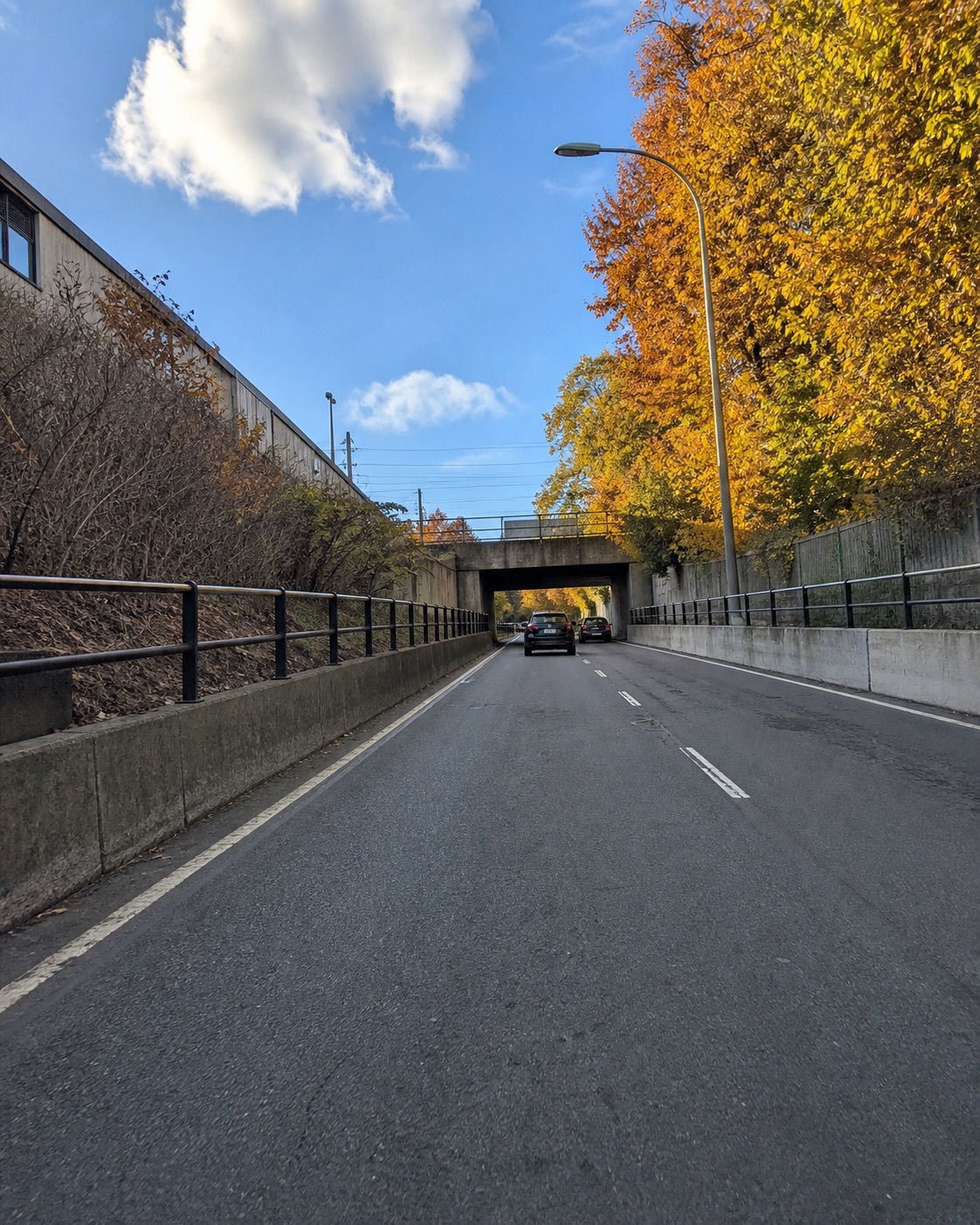
Compare a route entry, trip destination and underpass photograph
Imagine a hypothetical file whose event description mentions Route 46, whose trip message names a destination in Little Falls and whose photograph was taken beside an underpass after the vehicles moved. Each item has a source and a different potential job. The event description may address the traveled road; the message may address the destination; the photograph may show the aftermath.
Start by writing that comparison, then ask which item can narrow the actual contact point. A local name can orient the reader while leaving the road transition unresolved. Keep any new answer attributed to the person or record that supplied it. This prevents a later researcher from appearing to have observed a place detail that entered the file only through follow-up and makes the next question specific enough for another person to examine.
Use the diagram to establish broad geographic context
The NJDOT US 46 historical straight line diagram, last inventoried in June 2016, identifies Little Falls Township in Passaic County. On the relevant page it also identifies nearby Wayne and Totowa. A road inventory can therefore help explain a regional Route 46 reference and why an account may involve more than one local place name along the journey.
Read the inventory's labels as the labels of that dated source. The page is not an accident report or a description of present lane arrangements. Keep the relevant page number and date with your note so another person can return to the same material. A useful summary is limited to the geographic point being checked. It should not import the source's historical measurements or symbols into an account of a recent collision unless an appropriate event-specific record supports that step.
Test whether the account had left the main road
The practical location question is whether contact occurred along the main Route 46 segment, on a connecting path or after that transition. Read the event description for the stage it actually addresses. When a writer uses one broad route name for the trip, ask whether that wording also describes the point of contact. Preserve the answer with its source instead of resolving the transition from the destination alone.
Suppose the traveler recalls leaving the main road before contact but cannot name the connecting path. The historical inventory supplies area context; it does not name that individual's uncertain movement. A later photograph or an attributed clarification may help formulate a narrower question. Keep the recollection, image and diagram distinguishable. A clear account can show the road before contact and the gap that still needs checking without filling that gap from a more detailed-looking background source.
Give the underpass photograph a stage and viewpoint
An underpass photograph can supply a visible feature for a location question when its source and stage are known. Ask who took it, which direction they were looking and whether the vehicles had already moved. If the picture was cropped, keep the wider original available where possible. A photograph from the later stop should remain an aftermath item even if its landmark becomes the easiest part of the trip to describe.
In the hypothetical file above, the important comparison is between the contact description and the photographer's account of the later view. The structure's presence alone does not join those stages. Ask about the movement between them. A road number needs an appropriate reference rather than visual similarity. The generated illustration's caption explains its editorial purpose, so it should not be used as a second event observation to corroborate the real photograph.
Check whether two place names describe different moments
When a file uses both a road reference and a nearby municipality name, compare the moments they describe before calling them inconsistent. One may identify the route before contact, while another identifies the later meeting or stopping place. Attach the document's purpose to its address or location line. An invoice or service message may describe where a provider carried out a later task.
Write the resulting question in ordinary language: “Does this place refer to the collision, the later stop or the service location?” A reply to that question can be preserved with the original record. It clarifies a specific ambiguity without requiring a wholesale rewrite of the account. When the available material does not answer it, keep the uncertainty on the source note rather than selecting whichever label appears more detailed or familiar.
Give a reported observation a named viewpoint
An account becomes easier to read when the observer's role is clear. Note whether a statement came from a driver, passenger, person who arrived afterward or someone summarizing another message. Ask what that person directly noticed and at which stage. A report of an observation can be useful while leaving the parts outside that observer's view unanswered.
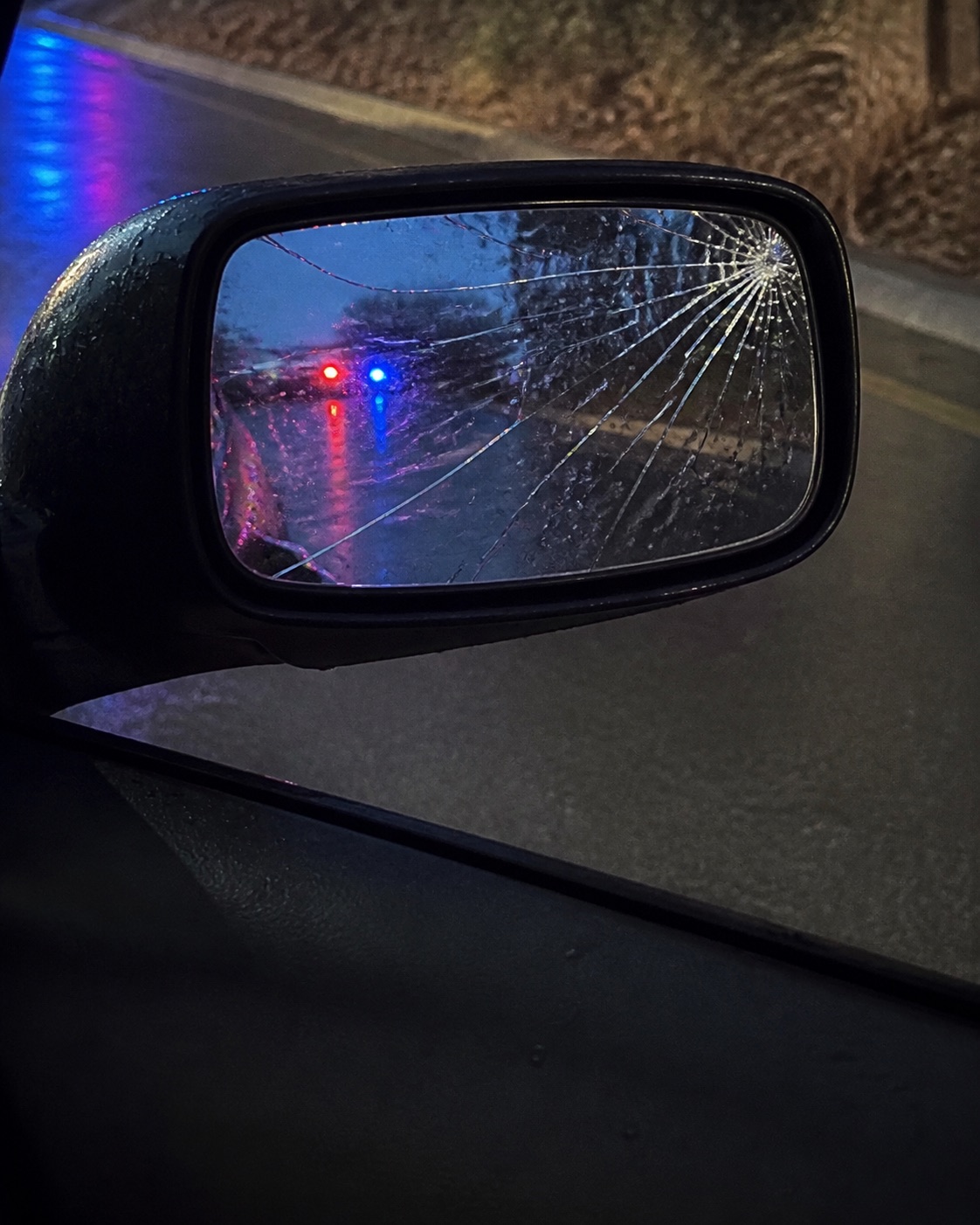
Avoid merging different viewpoints into one anonymous account. If one person described a connecting movement and another described the aftermath, keep those contributions attributed. The cracked-mirror image in this guide is generated illustration, not evidence of the view available to a real observer. Your source note should rely on the actual statement, photograph or correspondence and preserve the distinction between what a person observed and what they later understood from someone else.
Treat dates as descriptions of different activities
The date of a collision, the date a photograph was supplied and the date a document was received can all differ. Record what each date refers to. A date in a filename can be a useful reference, but its meaning should come from the source or an appropriate explanation. It should not silently become the time of the event just because it is easy to see.
For the historical route diagram, retain its June 2016 inventory date. For later correspondence, keep the sending or receipt date with the actual message. A clear chronology can show how the location description changed during follow-up. It also helps a reviewer see which details were recorded closer to the event and which were added later, without treating either timing alone as a complete judgment of reliability.
Keep a working summary connected to the originals
A short summary is useful when someone needs an overview, but it should point back to the underlying items. Give each statement a source reference that you can find in the folder. When a sentence combines information from several places, make the combination clear. A reader should be able to distinguish a quote or observation from your own explanation of how the pieces may fit together.
If a correction arrives, update the working summary while preserving the original and the dated clarification. Store personal event documents securely and share only the material relevant to a specific, understood request. The generated cards and paper beside this guide are illustrations of a filing task, not actual policy or report information. The organized file should make it easier to locate the original wording when a question turns on what a particular document actually says.
Use a road-transition source checklist
Check five items in the file. Route: which source identifies the road being traveled? Transition: who describes leaving, joining or continuing on the main segment? Picture: does the underpass image show contact or a later stop? Address: does the document name a destination, event point or service location? Date: which activity does the displayed date identify?
Attach a source and a short answer to each, then choose the smallest unresolved question. You may need an explanation of the connecting movement or clarification of where the picture was taken. Keep the dated inventory in its regional-geography role and preserve originals beside the working summary. This guide offers editorial methods for reading a Route 46 file, not decisions about fault or claim eligibility. A focused comparison can make the next request useful while leaving uncertainty visible.